Healthcare costs continue to rise across the world, creating challenges for patients, providers, insurance companies, and healthcare organizations. From administrative inefficiencies to increasing labor expenses and complex billing procedures, many factors contribute to the growing financial burden in healthcare. As organizations look for sustainable solutions, artificial intelligence (AI) has emerged as one of the most promising technologies for reducing costs while maintaining high-quality patient care.
AI is no longer a futuristic concept. Hospitals, clinics, and healthcare practices are already using intelligent systems to automate repetitive tasks, improve decision-making, and streamline operations. These improvements not only save time but also significantly reduce expenses associated with healthcare delivery.
Organizations exploring how AI reduces healthcare costs are discovering that the technology can improve efficiency across nearly every stage of the healthcare journey.
The Growing Cost Challenge in Healthcare
Healthcare systems face several financial pressures that drive up costs, including:


- Administrative overhead
- Medical billing errors
- Staffing shortages
- Inefficient workflows
- Insurance claim denials
- Unnecessary diagnostic testing
- Hospital readmissions
- Rising operational expenses
Traditional approaches to solving these problems often require additional personnel and resources. AI offers a different path by helping organizations do more with existing resources.
Automating Administrative Tasks
Administrative work consumes a substantial portion of healthcare spending. Scheduling appointments, processing paperwork, verifying insurance eligibility, and managing patient records require significant staff time.
AI-powered automation tools can handle many of these routine tasks efficiently.
Benefits of Administrative Automation
- Faster appointment scheduling
- Reduced paperwork processing time
- Improved patient communication
- Fewer manual errors
- Lower staffing costs
When healthcare staff spend less time on repetitive administrative work, they can focus more on patient care and high-value activities.
Reducing Medical Billing Errors
Medical billing mistakes can be expensive. Incorrect coding, incomplete documentation, and claim submission errors often lead to denied claims and delayed payments.
AI-powered billing systems can analyze medical records and identify potential coding issues before claims are submitted.
How AI Improves Billing Accuracy
- Detects coding inconsistencies
- Suggests appropriate billing codes
- Identifies missing documentation
- Flags compliance risks
- Reduces claim denials
These improvements help healthcare providers receive payments faster while minimizing revenue leakage.
Improving Diagnostic Accuracy
Misdiagnosis and delayed diagnosis can result in unnecessary treatments, prolonged hospital stays, and higher healthcare expenses.
AI systems can analyze large volumes of clinical data, medical images, and patient histories to assist healthcare professionals in making more accurate diagnoses.
Areas Where AI Supports Diagnostics
Medical Imaging
AI can detect abnormalities in:
- X-rays
- CT scans
- MRIs
- Mammograms
Disease Prediction
Predictive algorithms help identify patients at risk for chronic conditions such as:
- Diabetes
- Heart disease
- Kidney disease
Earlier detection often leads to less expensive treatment options and better patient outcomes.
Preventing Hospital Readmissions
Hospital readmissions are costly for both healthcare organizations and patients. Many readmissions occur because providers are unable to identify high-risk patients before discharge.
AI-powered predictive analytics can evaluate patient data and identify individuals who may require additional monitoring or follow-up care.
See also: Improve Your Business Strategy 4844836206 Digital Services
Key Benefits
- Better discharge planning
- Improved patient monitoring
- Enhanced care coordination
- Reduced emergency visits
By preventing avoidable readmissions, healthcare organizations can significantly lower overall treatment costs.
Enhancing Revenue Cycle Management
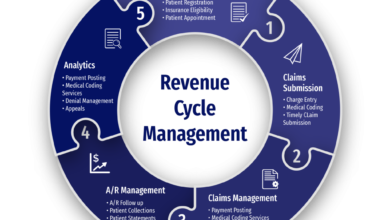
Revenue cycle management (RCM) is a critical function within healthcare organizations. Inefficiencies in billing, coding, claims processing, and collections can create substantial financial losses.
AI helps streamline revenue cycle operations through automation and intelligent analysis.
AI Applications in Revenue Cycle Management
- Automated claim review
- Payment prediction
- Denial prevention
- Eligibility verification
- Accounts receivable management
These capabilities improve cash flow and reduce the administrative burden associated with revenue management.
Optimizing Staffing and Workforce Management
Labor costs account for a significant portion of healthcare expenditures. Scheduling challenges can lead to overstaffing, understaffing, and employee burnout.
AI-powered workforce management solutions help organizations allocate resources more effectively.
Workforce Optimization Features
- Predictive scheduling
- Demand forecasting
- Staff allocation recommendations
- Overtime reduction
Healthcare facilities can maintain appropriate staffing levels while controlling labor expenses.
Supporting Preventive Care
Preventive healthcare is generally less expensive than treating advanced illnesses. AI can identify risk factors early and encourage proactive intervention.
For example, AI systems can analyze patient records to detect patterns associated with future health problems.
Preventive Care Advantages
- Reduced hospital admissions
- Lower treatment costs
- Better patient outcomes
- Increased patient engagement
Early intervention often prevents costly complications later.
Accelerating Drug Development
Developing new medications is expensive and time-consuming. Traditional drug discovery processes may take years and require substantial investment.
AI is helping pharmaceutical companies accelerate research by analyzing large datasets and identifying promising drug candidates faster.
Benefits for the Healthcare Industry
- Reduced research costs
- Faster clinical trials
- Improved success rates
- Quicker access to treatments
These efficiencies can ultimately reduce the cost of bringing new therapies to market.
Improving Supply Chain Management
Hospitals rely on thousands of medical supplies, medications, and equipment items. Poor inventory management can lead to waste and unnecessary spending.
AI helps healthcare organizations forecast demand more accurately and optimize inventory levels.
Supply Chain Improvements
- Reduced stock shortages
- Lower storage costs
- Minimized product waste
- Better purchasing decisions
Effective inventory management contributes directly to cost savings.
Enhancing Patient Engagement
Patient engagement plays an important role in healthcare outcomes. Missed appointments, poor medication adherence, and lack of follow-up care can increase healthcare costs.
AI-powered virtual assistants and chatbots help patients stay connected to their care plans.
Common AI Patient Engagement Tools
- Appointment reminders
- Medication alerts
- Virtual health assistants
- Symptom assessment tools
These technologies encourage patients to take a more active role in managing their health.
Strengthening Fraud Detection
Healthcare fraud costs the industry billions of dollars annually. Fraudulent claims, billing irregularities, and abuse of healthcare resources contribute significantly to rising expenses.
AI systems can analyze massive datasets and identify suspicious patterns that may indicate fraudulent activity.
Fraud Detection Benefits
- Reduced financial losses
- Improved compliance
- Faster investigations
- Enhanced security
By preventing fraud, healthcare organizations can protect valuable resources and reduce unnecessary spending.
The Future of Cost-Efficient Healthcare
As AI technology continues to evolve, its role in healthcare cost reduction will likely expand even further. Future innovations may include more advanced predictive analytics, personalized treatment recommendations, automated clinical documentation, and enhanced virtual care solutions.
Healthcare leaders increasingly recognize that AI is not simply a technology investment. It is a strategic tool for improving operational efficiency, enhancing patient outcomes, and controlling rising costs.
Conclusion
The healthcare industry faces ongoing financial challenges, but artificial intelligence offers practical solutions for reducing expenses without sacrificing quality of care. From automating administrative tasks and improving billing accuracy to supporting preventive care and optimizing workforce management, AI is transforming how healthcare organizations operate.
As adoption continues to grow, healthcare providers that embrace AI-driven innovation will be better positioned to improve efficiency, strengthen financial performance, and deliver better experiences for patients. The result is a more sustainable healthcare system that benefits providers, payers, and patients alike.