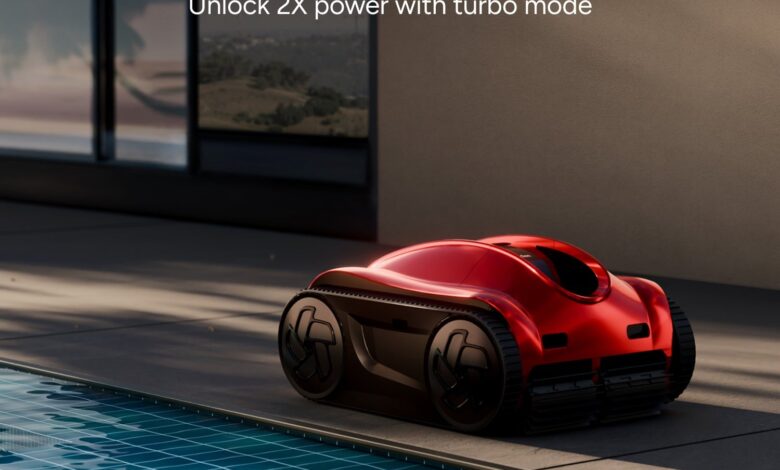
If you’ve ever spent a weekend afternoon hunched over a pool skimmer, scrubbing walls, or wrestling with a tangled vacuum hose, you know how exhausting manual pool maintenance can be. What should be a relaxing backyard oasis often becomes a source of endless chores, eating into precious leisure time week after week. Fortunately, automatic pool cleaners—commonly known as pool robots—have transformed the way homeowners approach pool care. These intelligent devices navigate your pool independently, scrubbing surfaces, collecting debris, and filtering water without requiring your constant attention. But with so many models on the market, finding the right one for your specific pool can feel overwhelming. This guide is designed to simplify that decision. Whether you own a compact plunge pool or a sprawling freeform design, we’ll walk you through the essential features to prioritize, including non-abrasive brushes and scheduled cleaning capabilities, and provide a clear framework for matching the perfect automatic pool cleaner to your unique needs.
Understanding Pool Robots: Revolutionizing Pool Maintenance
Pool robots are self-contained, electrically powered devices that operate independently from your pool’s filtration system. Unlike traditional suction-side or pressure-side cleaners that rely on your pump and plumbing to function, robotic pool cleaners carry their own motors, filtration, and navigation intelligence onboard. You simply place them in the water, and they systematically traverse every surface—floors, walls, and waterlines—scrubbing away algae, collecting leaves, and filtering fine particles as small as two microns. The core benefits are substantial: they dramatically reduce the hours you spend on manual cleaning, deliver far more thorough and consistent results than hand vacuuming, and maintain superior water hygiene by continuously removing contaminants that would otherwise tax your chemical balance. Pool maintenance has evolved considerably over the decades, progressing from simple handheld brushes and manual vacuum heads to suction crawlers, and finally to today’s smart robotic units equipped with microprocessors and sensors. This evolution means homeowners now have access to genuinely hands-off cleaning technology that works while they’re at work, asleep, or simply enjoying their weekend.
See also: 100 Day Dream Home Lawsuit Long-Term Investment: Top Stocks to Buy Today
Essential Pool Robot Features for Optimal Performance
Not all pool robots are created equal, and the features packed into a given model can mean the difference between spotless surfaces and frustrating missed spots. Understanding which attributes matter most will help you invest wisely and enjoy genuinely hands-off pool care.


Non-Abrasive Brushes: Protecting Your Pool Surfaces
The brushes on your pool robot make direct, repeated contact with every surface they clean, which is why brush material matters enormously. Non-abrasive brushes are specifically engineered to dislodge algae, biofilm, and stuck-on grime without scratching delicate vinyl liners, painted concrete, or glazed tile. Models designed for vinyl and fiberglass pools typically use soft PVA foam rollers that grip surfaces gently yet effectively when wet. For textured plaster or pebble finishes, firmer rubber-bristle combinations provide the extra scrubbing force needed without gouging the material. Choosing the wrong brush type can lead to costly surface repairs over time, so always match brush composition to your pool’s interior finish before purchasing.

Scheduled Cleaning: Automating Your Pool Maintenance Routine
Scheduled cleaning capability allows you to program your robot to enter the water and complete a full cycle at predetermined intervals—daily, every other day, or on specific weekdays—without you lifting a finger. This consistent, automated approach prevents debris from accumulating and algae from gaining a foothold, keeping water clarity high between chemical treatments. Many newer models integrate with smartphone apps or smart home ecosystems like Alexa, Google Home, and platforms such as iGarden, letting you adjust schedules remotely, receive cycle-completion notifications, or trigger an extra cleaning session before guests arrive. The result is a pool that’s perpetually swim-ready with minimal mental overhead on your part.
Additional Key Pool Robot Features
Beyond brushes and scheduling, several other features significantly impact everyday performance. Strong suction power ensures leaves, sand, and fine sediment are captured on the first pass rather than stirred back into suspension. A generously sized filter canister or bag means the robot can handle heavy debris loads—think spring pollen season or post-storm cleanup—without clogging mid-cycle. Energy efficiency is another practical consideration; top-tier robots consume roughly the same electricity as a standard light bulb, making frequent operation economically painless. Finally, tangle-free swivel cords and cable management systems prevent the frustrating knots that can limit a robot’s reach and force premature cycle stops, ensuring complete coverage across your entire pool every single time.
A Step-by-Step Guide to Choosing Your Pool Robot
Selecting the right automatic pool cleaner doesn’t have to be a guessing game. By working through a structured evaluation process, you can confidently narrow down your options and land on a model that genuinely fits your situation. Here’s how to approach the decision methodically.
Start by assessing your pool’s physical characteristics. Measure the total surface area, note the shape—rectangular pools are simpler for robots to navigate than kidney or freeform designs—and identify your interior finish. A vinyl-lined pool demands different brush technology than an exposed aggregate or glass tile surface, and a robot optimized for a 20-foot lap pool may struggle to efficiently cover a 40-foot resort-style layout. Write these details down so you can cross-reference them against manufacturer specifications.
Next, evaluate your pool’s layout complexities. Count the number of steps, benches, swim-outs, and tight corners that a robot will need to negotiate. If your pool features a shallow sun shelf or an attached spa, you’ll need a unit with strong wall-climbing ability and intelligent turning behavior that prevents it from getting stuck on ledges. Robots with gyroscope-based navigation or mapping sensors handle these obstacles far more reliably than random-pattern models that simply bounce off walls.
Then determine how often you actually need cleaning and set your scheduling preferences accordingly. Pools surrounded by mature trees or located in windy, dusty areas typically require daily cycles, while covered or screened pools might only need attention every two or three days. Choose a robot with flexible scheduled cleaning options that match your debris load so the unit runs only as often as necessary, preserving motor life and energy.
With your requirements documented, compare models side by side based on the features that matter most to your scenario. Prioritize non-abrasive brushes compatible with your surface type, confirm the filter capacity can handle your typical debris volume, and check whether navigation technology matches your layout’s complexity. Look at cycle duration as well—some robots complete a full clean in 90 minutes while others need three hours, which affects scheduling flexibility.
Finally, ground your decision in real-world feedback. User reviews from pool owners with similar pool dimensions and surface materials reveal performance truths that spec sheets cannot. Pay attention to comments about reliability after six months of use, ease of filter maintenance, and how well the robot handles specific obstacles. Balance these insights against your budget, remembering that a slightly higher upfront investment in a well-matched robot often eliminates costly workarounds or premature replacements down the road.
Advanced Considerations for Complex Pool Layouts
Pools with irregular shapes, multiple depth transitions, or architectural features like vanishing edges and integrated spas demand more from a robotic cleaner than straightforward rectangular designs. For these challenging environments, advanced navigation systems become essential rather than optional. Look for robots equipped with gyroscopic sensors, accelerometers, or even camera-based mapping technology that allows the unit to build a digital blueprint of your pool’s contours during its first run and optimize subsequent paths accordingly. These intelligent systems recognize when they’ve encountered a raised swim-out or a narrow corner and adjust their approach rather than repeatedly getting stuck in the same spot.
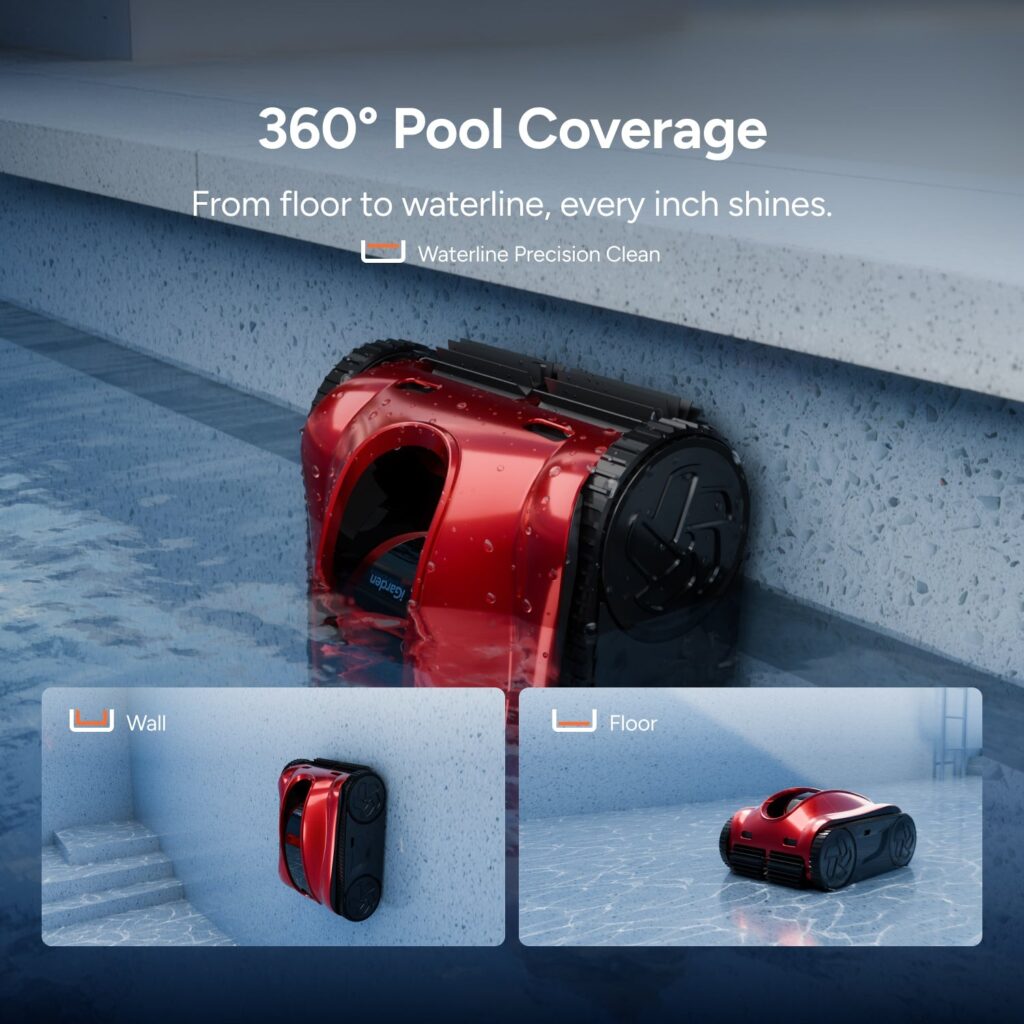
Wall-climbing capability varies significantly between models, and pools with curved walls, angled transitions, or textured vertical surfaces need robots with powerful drive tracks and adaptive suction that maintains grip regardless of surface orientation. Some premium units offer programmable cleaning paths, letting you designate priority zones—such as a heavily shaded deep end where algae tends to bloom—so the robot spends extra time where it matters most. If your pool includes a connected spa or wading area separated by a partial wall, verify that the robot can transition between sections without manual repositioning. Investing in a model purpose-built for complex layouts eliminates the need to supplement robotic cleaning with manual brushing in hard-to-reach areas, delivering the truly hands-off experience that makes these devices worthwhile.
Maintaining Your Pool Robot for Longevity
A well-maintained pool robot will deliver reliable performance for years, but neglecting basic care shortens its lifespan considerably. After each cycle, remove and rinse the filter canister or bag thoroughly to prevent clogged pores from reducing suction efficiency. Inspect the non-abrasive brushes monthly for wear, replacing them once they lose their texture or develop flat spots that compromise scrubbing effectiveness. Store your robot out of direct sunlight in a cool, dry area—UV exposure degrades plastic housings and rubber components over time. If your unit uses a caddy, keep it elevated to avoid moisture pooling around electrical connections. Periodically check the power cord for nicks or stiffness, and ensure your scheduled cleaning settings align with seasonal debris changes, increasing frequency in autumn and reducing it during low-use winter months. When the robot seems sluggish or misses sections, recalibrate its navigation sensors according to the manufacturer’s instructions before assuming a mechanical fault. These simple habits keep your investment running at peak performance.
Finding the Right Pool Robot for Effortless Pool Ownership
Choosing the perfect automatic pool cleaner comes down to understanding your specific needs and matching them against the features that matter most. As we’ve explored throughout this guide, non-abrasive brushes protect your pool’s surfaces from costly damage while delivering effective scrubbing power, and scheduled cleaning capability ensures your pool stays swim-ready without demanding your constant attention. The step-by-step selection process—starting with your pool’s dimensions and surface material, evaluating layout complexities, setting cleaning frequency preferences, comparing models on critical specifications, and grounding your choice in real-world user feedback—provides a reliable framework for making a confident purchase. For those with complex pool designs featuring multiple depth changes, integrated spas, or irregular shapes, investing in advanced navigation and wall-climbing technology pays dividends in truly hands-off operation. The right pool robot doesn’t just clean your pool; it fundamentally changes your relationship with pool ownership, transforming what was once a weekly burden into effortless background maintenance. Take the time to evaluate your unique requirements honestly, and you’ll find a model that keeps your water pristine for years while giving you back the leisure time your pool was always meant to provide.